
The performance of the agricultural sector under Narendra Modi would be judged in 2019 by a single indicator: his grand promise to double per capita agricultural incomes between 2015 and 2022. However, available data does not indicate any satisfactory progress towards that goal. The poor growth rate of agriculture in 2017-18 had resonated in the surge of farmer’s protests over the last few months.
Trends in Wage Rates in Rural India
Most workers in India are dependent on semi-skilled and unskilled manual work for their livelihoods. According to the latest Rural Labour Enquiry Report, about 40 per cent of rural households derived their income from manual work. In a recent research article, Professor Yoshifumi Usami and I have examined trends in rural wage rates over the last 18 years (Das and Usami, 2017).
Paltry Returns
The sequencing of chapters and their content ensures that the book emerges as a coherent whole rather than a disjointed set of contributions, often a feature of edited books. The data it uses has been collected through a socio-economic census of 17 villages located in different agro-ecological zones in nine large states of India.
Rice Cultivation in Kole Wetlands of Kerala
Rice cultivation has declined in Kerala for the last four decades. The gross cropped area of rice in Kerala shrunk from around 9 lakh hectares in 1974-75 to less than 2 lakh hectares in 2015-16. There is, however, a traditional rice-growing region where rice cultivation continues, and is characterised by rising levels of productivity.
Women’s Domestic Work: A Report from Alabujanahalli Village, Karnataka
In 1993, the definition of economic activity in the System of National Accounts (SNA) was extended to include unpaid work. The definition thus covered unpaid operations in agricultural production, along with the collection of firewood and fodder, fetching water, etc., whether for sale or self-consumption.
Migrant Tomato Pickers of Southern Italy
Ranjini Basu was a participant at the 10th Marx Autumn School organised by the Rosa Luxemburg Stiftung in Berlin from October 26 to 29, 2017. At one discussion, on the theme of “unfree labour,” a participant from Naples spoke about migrant workers from less developed countries working as tomato pickers on the farms of southern Italy.
The Tripura Model
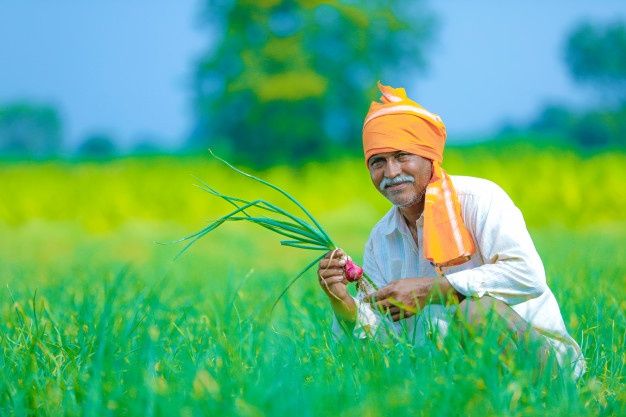
Madhura Swaminathan and V. K. Ramachandran attempt to draw the contours of “The Tripura Model” of development based on the study of the three villages in the State of Tripura, conducted by the Foundation for Agrarian Studies in May-June 2016. The note, which has been published in The Hindu is republished here.
Electricity Tariffs and Boro Rice Cultivation in West Bengal
Groundwater is a major source of irrigation in West Bengal, with about 65 per cent of irrigated area under tube well irrigation. Under the present government, there has been a rapid hike in power tariffs for agriculture and it has affected the cultivation of summer crops in the State, particularly the cultivation of water-intensive boro (summer) paddy.
Small farmers in Indian Agriculture
This volume is a very important contribution to development studies in India and other parts of South and Southeast Asia. The dynamics of agriculture remain a critical factor in the social progress of these countries, and this careful and detailed research will provide a basis for constructing more effective development policies in India and elsewhere.
Women’s Access to Land
Women’s control over land and property is recognised to be an important factor in women’s socio-economic status and empowerment. We report some interesting results on the subject from a quick analysis of data from eight villages (located in Madhya Pradesh, West Bengal, Punjab and Karnataka) surveyed by the Foundation for Agrarian Studies.
