Project on Agrarian Relations in India
PARI All Projects

Uttar Pradesh Rounds 1 and 2
Overview Census type surveys were conducted in two villages in Uttar Pradesh in July 2006:

Tamil Nadu Round
Overview Census-type household surveys were conducted in two villages in Tamil Nadu in May–June 2019:

Tripura Round
Overview Three villages were surveyed in the Tripura Round in May-June 2016: Mainama, Dhalai district

West Bengal Rounds 1 and 2
Overview Census type surveys were conducted in three villages in West Bengal in May-June 2010.

Bihar Rounds 1 and 2
Overview Two villages were surveyed in the Bihar Round in May-July 2012 : Katkuian, West

Punjab Round
Overview Two villages were surveyed in Punjab in 2011: Tehang, Jalandhar district Hakamwala, Mansa district

Karnataka Round
Overview Census-type surveys were conducted in three villages in Karnataka in May-June 2009: Alabujanahalli, Mandya

Madhya Pradesh Round
Overview Census type surveys were conducted in May-June 2008 in two villages in Madhya Pradesh:

Maharashtra Round
Overview Surveys were conducted in May-June 2007 in two villages in Maharashtra: Warwat Khanderao, Buldhana

Rajasthan Round
Overview Three villages were surveyed in Rajasthan. Two villages were surveyed in Rajasthan in 2007

Andhra Pradesh Round
Overview Andhra Pradesh was the first State to be studied as part of the Project
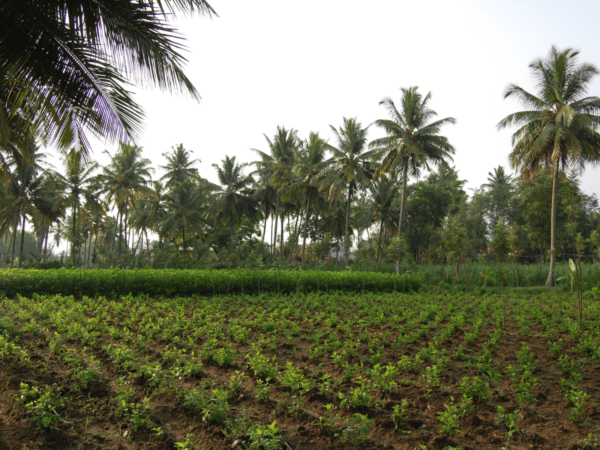
Historically, India has had a tradition of urging scholarship to turn its face to the countryside, to conduct specific studies of social and economic changes there and to assess and evaluate these changes. We believe that such studies shall not lag behind the rapid and complex changes that are occurring in the countryside.
The objectives of PARI are:
- To analyse village-level production, production systems and livelihoods and the socio-economic characteristics of different strata of the rural population.
- To conduct specific studies of sectional deprivation in rural India, particularly with regard to the Dalit and Scheduled Tribe populations, women, specific minorities and the income-poor.
- To report on the state of basic village amenities and the access of the rural people to the facilities of modern life.
The PARI study began in 2006. In every selected State, we survey two or three villages in different agro-ecological regions. The villages cover a wide range of different agro-ecological regions in the country. State-level mass organisations suggest the regions and the districts that they would like to have studied, and help the Foundation in the selection of the final villages from a short-list prepared by the Foundation.
A Survey Methods Toolbox that lists some of the tools used for collection, entry, and processing of the household level data is available on our Repository Page.
Information collected through PARI questionnaire is listed below. Each of the following items of information is further disaggregated in the questionnaire:
- Demographic data, including data on caste and religion
- Education levels
- Occupation and work status
- Ownership and operational land holdings of households
- Land sales and purchases
- Forms and terms of land tenure
- Cropping pattern and crop production
- Animal resources
- Costs of cultivation
- Ownership of assets
- Participation in selected government schemes
- Household electricity, sanitation, and water facilities
- Housing
- Incomes and earnings
- Patterns and levels of employment
- Forms of labour
- Indebtedness
It is noteworthy that there are no official sources of serial data on household incomes in rural India. The National Sample Survey provides regular data on monthly per capita household expenditure, and the Comprehensive Scheme for the Study of Cost of Cultivation of Principal Crops in India (CCPC) provides regular data on farm business incomes for selected crops. Our village data have information from all sources of tangible household income, under the following heads:
- Income from crop production
- Income from animal resources
- Income from agricultural and non-agricultural wage labour
- Income from salaries
- Income from business and trade, rent, interest earnings, pensions, remittances, scholarships, and all other sources.
Data on crop production and the cost of cultivation, while based on the CCPC methodology, are somewhat more detailed in the Project database, which includes household-wise data on the following variables:
- Value of hired human labour
- Value of hired bullock labour
- Value of owned bullock labour
- Value of owned machinery
- Value of hired machinery
- Value of seed, home produced and purchased
- Value of insecticides and pesticides
- Value of manure, home produced and purchased
- Value of fertilizers
- Irrigation charges
- Land revenue
- Marketing costs
- Miscellaneous expenses
- Rent paid for leased in land
- Interest on working capital
- Depreciation of implements and machinery