Overview
Digital Agriculture in India
Digital technologies are increasingly being presented as having a transformatory potential for the agricultural sector in India, which can efficiently address complex issues pertaining to agricultural productivity, farm profitability, transparency, and environmental sustainability. The optimism around these technologies is often shared by the Government and various other actors such as multilateral agencies, industry bodies, public research institutions, and private companies.
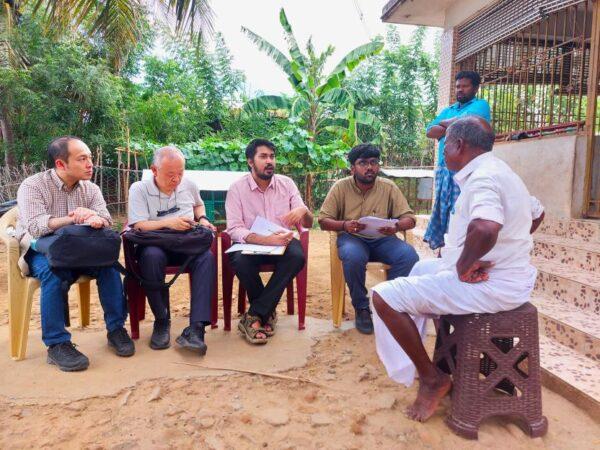
In this context, an ongoing project at the Foundation, supported by the Rosa Luxemburg Stiftung (RLS), explores the evolving ecosystem of digital agriculture in India, focusing on the technologies, stakeholders, and policies shaping its development. The study integrates a review of literature and policies with a fieldwork component.
Currently, the project team is engaged in reviewing literature and mapping the policy landscape related to digital agriculture in India. Based on this review, a State will be selected for conducting fieldwork. The objective is to examine how policies promoting digital technologies are being framed, and how technologies are being developed and deployed by various actors such as government agencies, public research institutions, private companies, and startups. The fieldwork will also include in-depth qualitative interviews to understand how different groups of farmers, extension workers, and local officials engage with these technologies. Based on these analyses, the project team intends to assess how these policies and technologies address the persistent concerns of equity, accessibility, and affordability in Indian agriculture.